Pest Control Overview
Your home or place of business is designed for you, and managed pets – not for wild animals invading for shelter or food. They belong outside your dwelling.
Prevention is better than cure and our technicians will be happy to advise the best ways to prevent them entering the property in the future whilst resolving the initial emergency.
Rodents
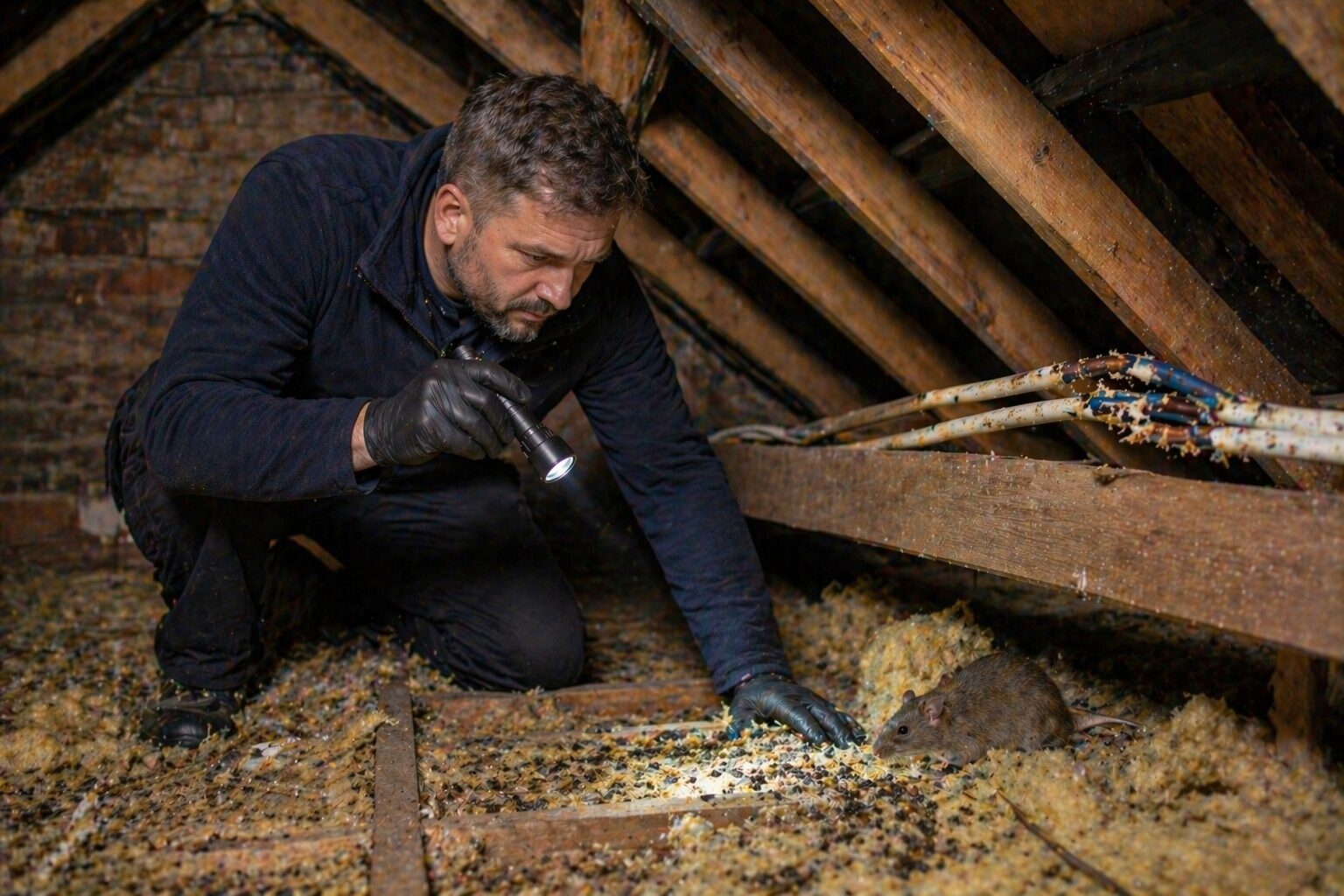
Rats, mice and squirrels are all prolific chewers and cause immense damage if left unchecked. This can be merely annoying (they get into the cornflakes) or seriously dangerous (rats and squirrels particularly seem to have a fondness for eating the insulation from wiring and plastic piping).
This can potentially cause an electrical breakdown, a fire or a leaking water system. Add in the potential for the spread of disease (rats and mice dribble urine and defecate as they go), this is something that needs resolving straight away.
How do I know if I have a rodent issue?
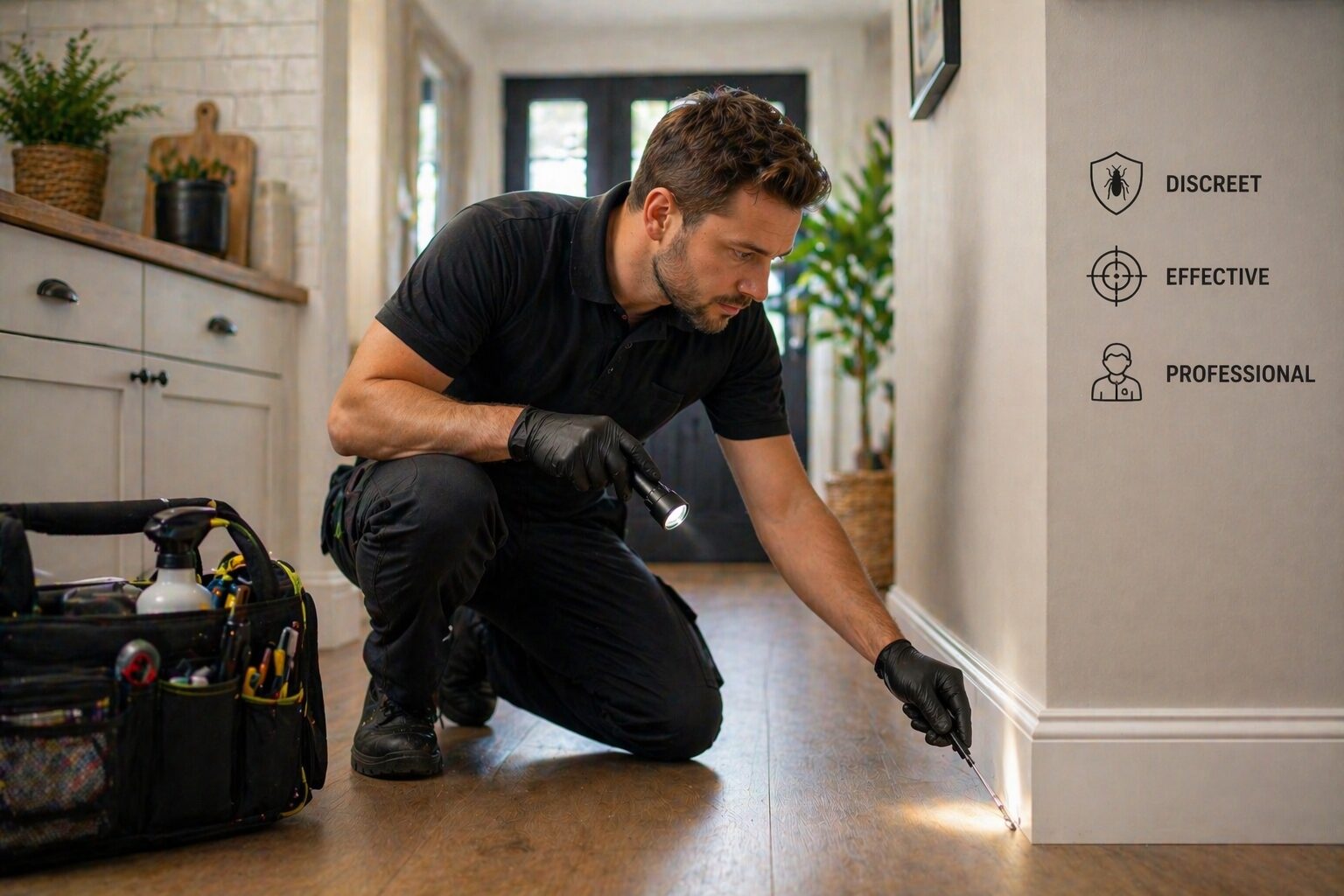
Generally there are three tells – noise (scratching sounds from the attic particularly), droppings (little black pellets) and evidence of gnawing. The last, obviously, is seeing a mouse scurry across the floor.
What will the technician do?
Typically three visits will be booked with intervals of two weeks between them.
- The first visit will be a survey to identify the pest species and where they are active.
- Traps and / or poison stations will be laid according to all applicable standards.
- Areas of ingress will be identified and suggestions made as to how to block them.
- On the second visit activity will be assessed. Take up from bait trays, catch from traps will be monitored and topped up, emptied or relocated as appropriate.
- The third visit will again be an assessment. If it is considered that the immediate problem is resolved, then all equipment and anything that needs disposal will be removed from site.
What else do I need to do?
In the short term it is recommended that dry goods be kept in plastic pots such as Tupperware to remove access to food sources and ensure that food is not left around the house. It is strongly recommended that the technician’s advice on blocking entry points be followed.
How do I stop them coming back?
Blocking access to the dwelling is the most important step – but so is removing attractants. Ensure rubbish bags are kept in a bin instead of just stacked outside. Clear beneath bird feeders and try to keep the area outside the house as neat and tidy as you can.
Back to top ↑Bees, Wasps and Flies
Bees
If you have a swarm of bees come onto, or into, your house then the first thing to do is call your local beekeeping society. A quick computer search will find a nearby organisation who will be only too pleased to come and remove the swarm for you at no charge.
Bees are protected and cannot be legally harmed. Do keep your distance from the swarm, as fascinating as they are to observe.
Wasps
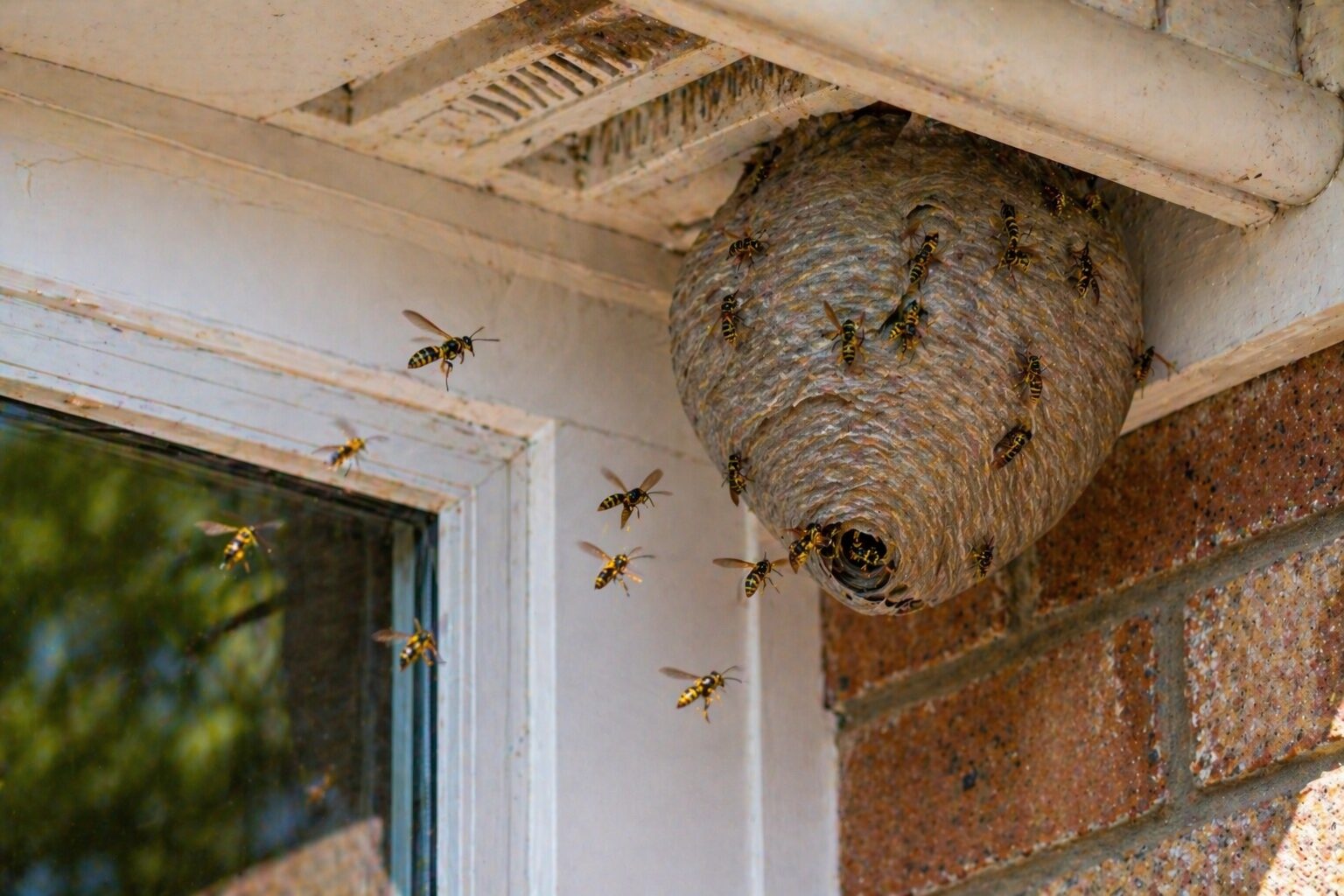
A wasp nest however does require treatment. This is usually a one-visit resolution, the technician will safely apply poison to the nest using specialised equipment. Activity will decrease almost immediately, and the nest will be inert in a few days.
Flies
With flies it is almost always a case of removing the cause and they will go away. Sometimes it could be a different issue such as drainage, but this will usually be self-evident. Home remedies as sold in supermarkets and hardware stores are highly effective if used according to the instructions.
Back to top ↑Bedbugs
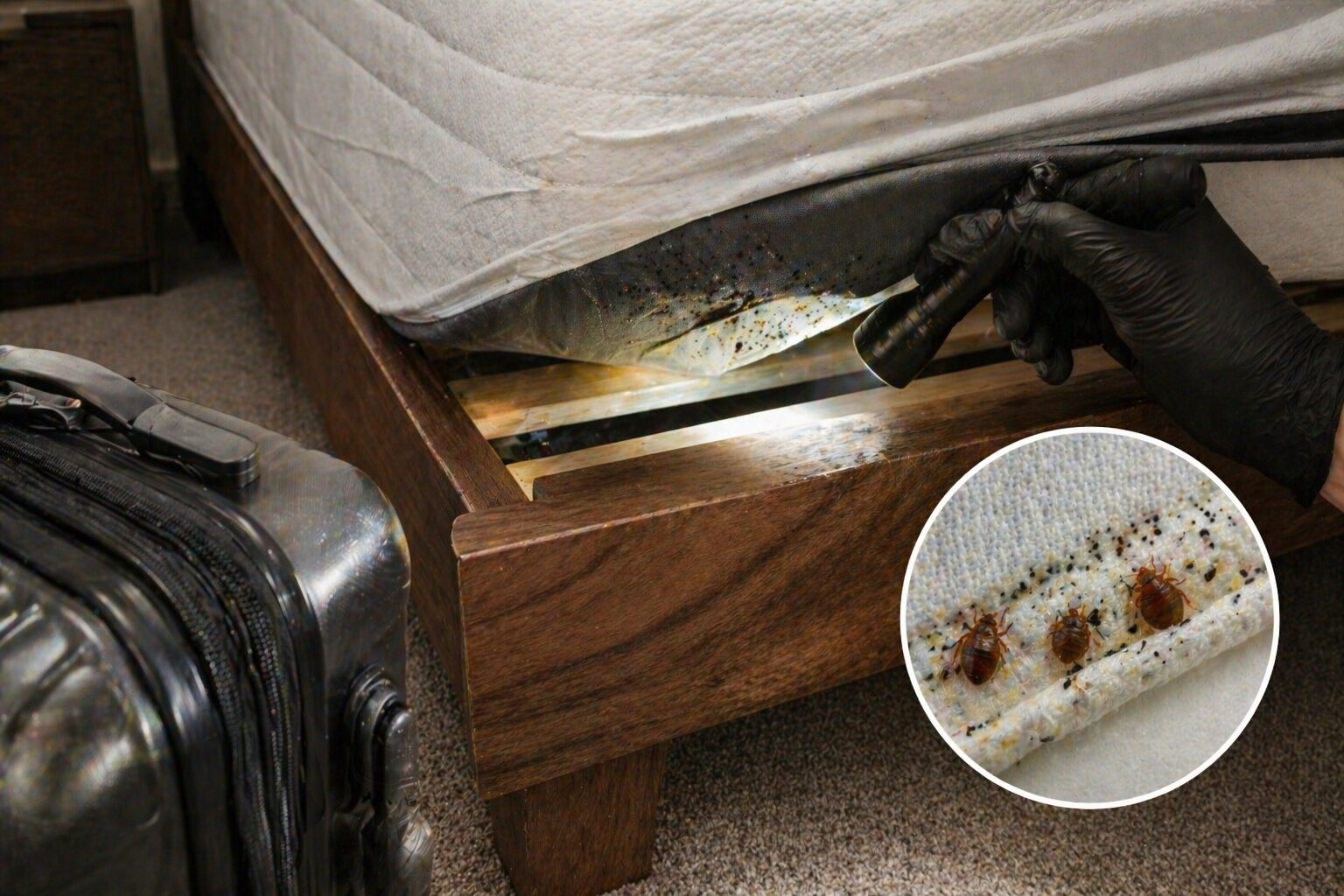
Bedbugs are prolific travellers latching on to clothing, luggage etc and have become more prevalent in the UK in recent years. If you think you have stayed somewhere with bedbugs, take extra care on returning.
Wash all clothing on high temperature (60 degrees) and consider changing your luggage or having it professionally cleaned. Avoid placing your luggage directly onto the bed in your hotel room and check for signs, particularly around the headboard and the edges of the mattress.
The bedbugs themselves are about the size and shape of apple pips and brown in colour as adults. If buying second hand furniture apply the same checks before bringing it into your home.
There is no evidence of transmission of disease to humans, but the bites are red, sore, itchy and thoroughly unpleasant. If you have been unlucky enough to gain an infestation seek professional assistance.
Back to top ↑Fleas
We are sorry pet lovers, but fleas are almost always brought into the home by your furry friends. Cat fleas are the most prolific and will bite cats, dogs and humans alike.
The bites on humans are enormously itchy and scratching can cause skin issues. Keeping your animals properly medicated helps as does regular hoovering of carpets, soft furnishings and pet beds.
There should be no stigma by the way – fleas will infest a spotless house as well as a not so clean one.
Back to top ↑Roaches
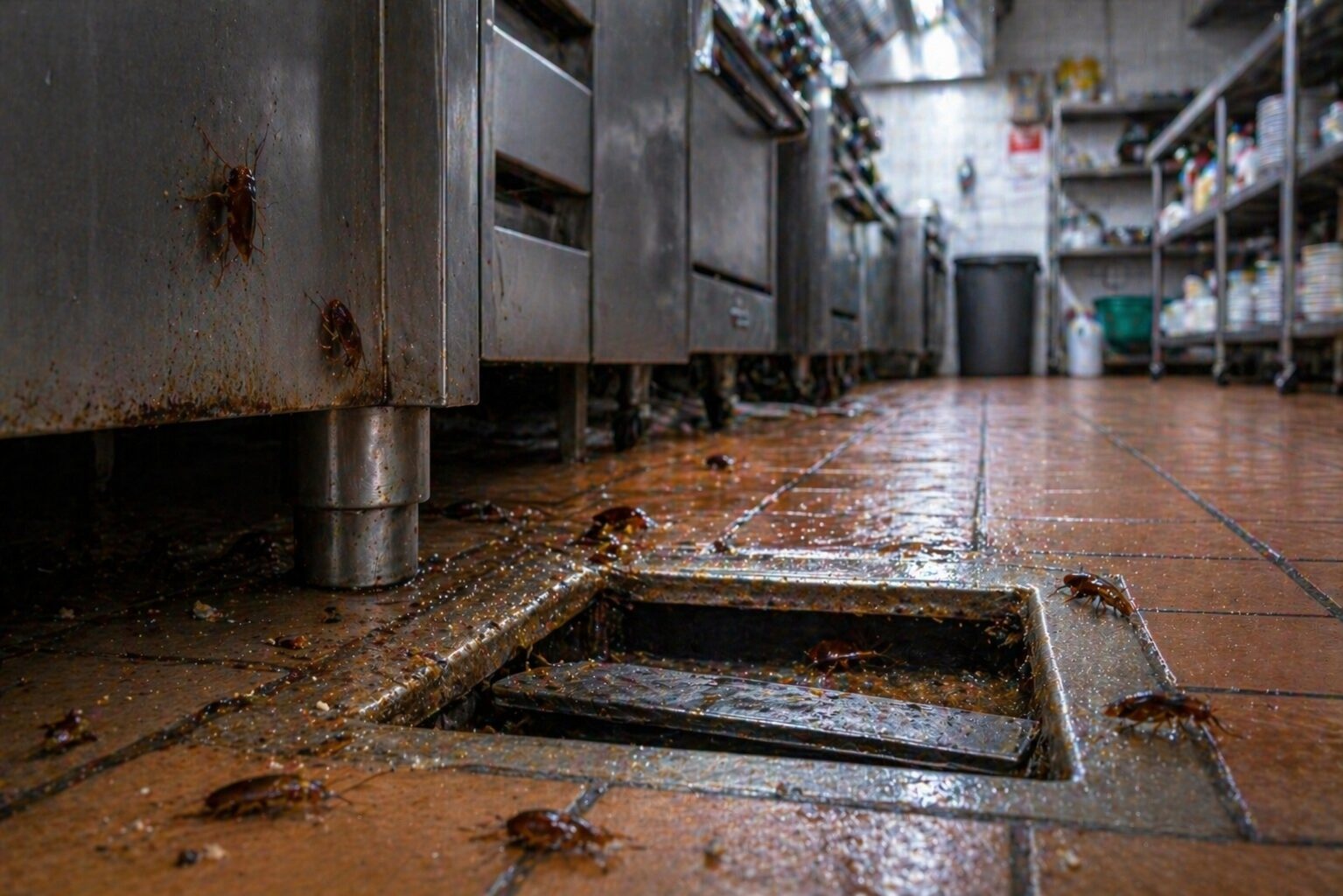
Quite apart from the ick-factor cockroaches really are a health hazard, and a massive reputational risk for businesses.
They track waste everywhere they go, can spread Salmonella, Staphylococcus, Streptococcus and many other diseases. They will contaminate food preparation areas, utensils and food itself.
If you believe you have cockroaches we would strongly advise a professional pest control company rather than an attempt at a DIY solution.
Back to top ↑Birds
It is not uncommon for birds such as pigeons, and sparrows to nest in loft spaces when access is available. There is a lot of legislation surrounding wild birds and specialist licencing is required to interfere with the birds and their eggs.
Apart from the noise nuisance factor, pigeon droppings in particular carry lots of pathogens and PPE is required so a professional is definitely required. Once ejected and the access point blocked accordingly that is usually the end of the issue.
Back to top ↑Bats
Bats are amongst the most highly protected of wildlife and if they are roosting in your property, specialist guidance is required.
Feel free to contact us and we will put you in touch with specialists.
Back to top ↑Need help with a pest issue?
If you need urgent support or want advice on the next step, get in touch with our team and we can help point you in the right direction.
Contact Us