Drainage Overview
Drainage issues can range from minor blockages to more serious underground problems. Understanding where the blockage is and what is causing it can help resolve the issue faster and prevent repeat problems.
Blockage Inside the Property
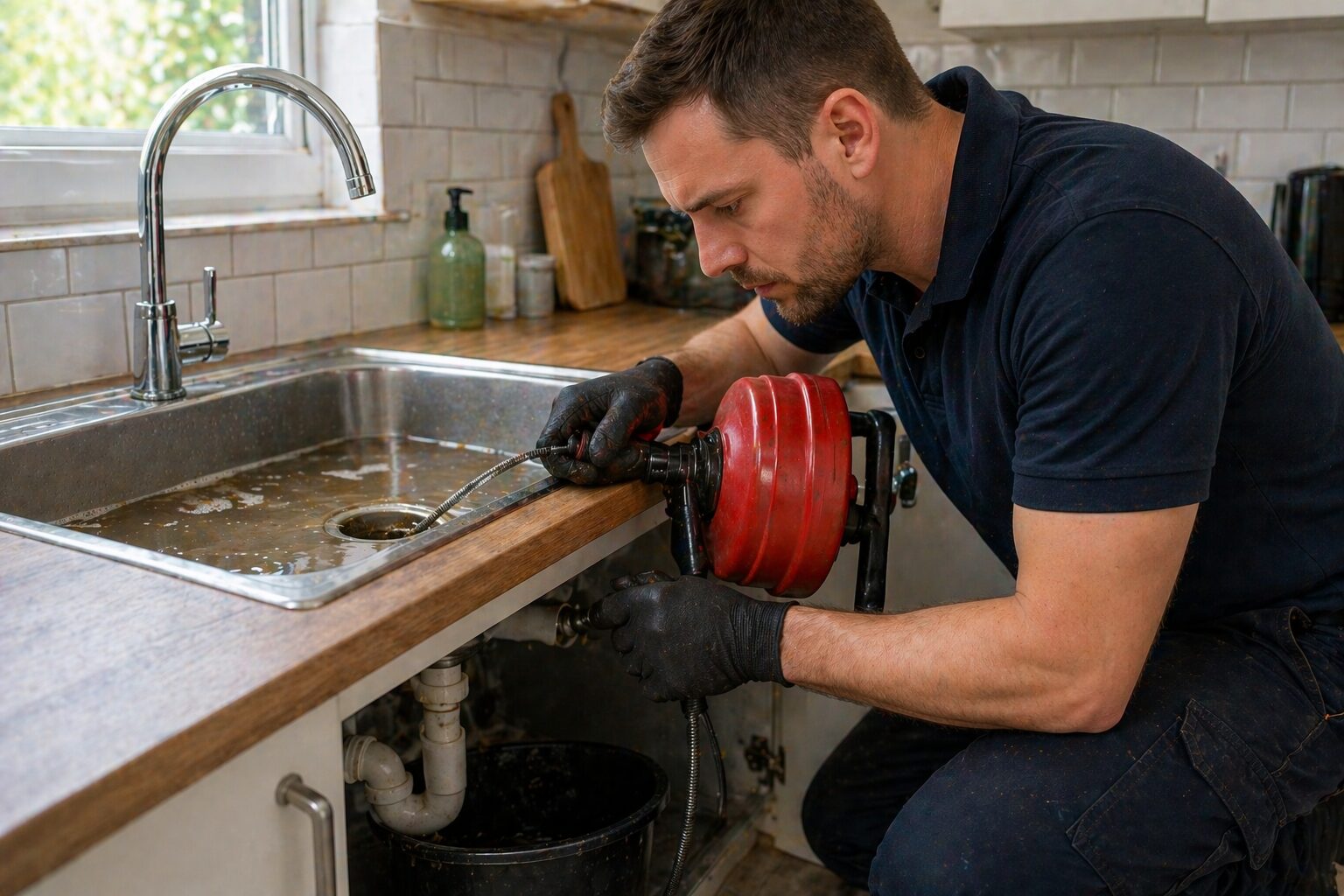
If only one outlet is affected (e.g. just a sink or toilet), the blockage is usually local to that fixture.
If flushing a toilet causes water to back up elsewhere (such as a shower or bath), the blockage is further along the system.
Common internal blockages include:
- Hair build-up in showers and baths
- Food debris in sinks
- Minor toilet blockages
These can sometimes be resolved with plunging or cleaning the u-bend. Hair blockages are best removed rather than pushed further into the system.
Back to top ↑Blockage Outside the Property
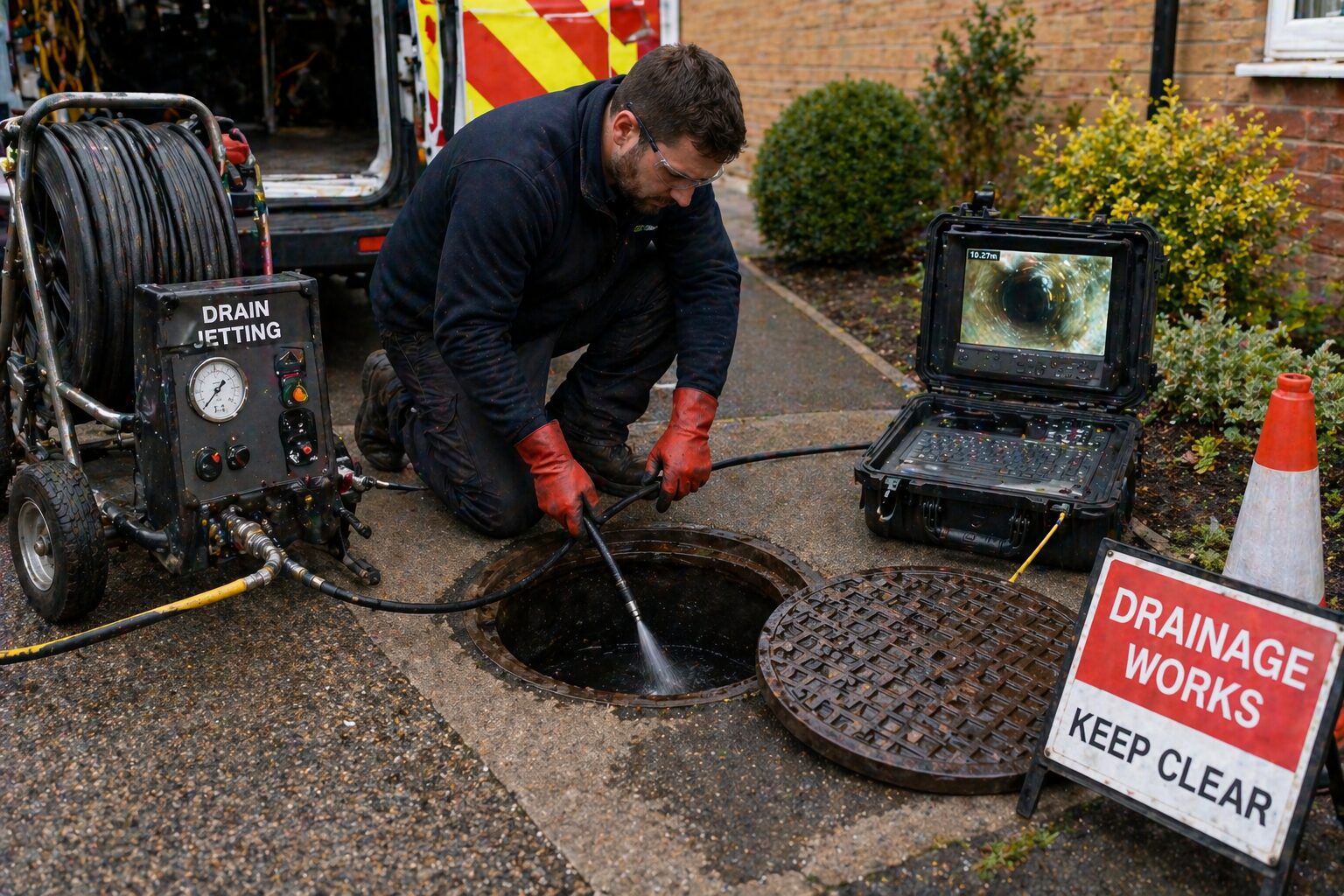
External drainage issues are typically identified by checking inspection chambers or manholes.
Drainage engineers may use CCTV cameras to locate the exact problem within the pipework.
Common clearance methods include:
- High-pressure water jetting
- Mechanical cutting tools
- Drain rods
These methods are used depending on the type and severity of the blockage.
Back to top ↑Common Causes of Drain Blockages
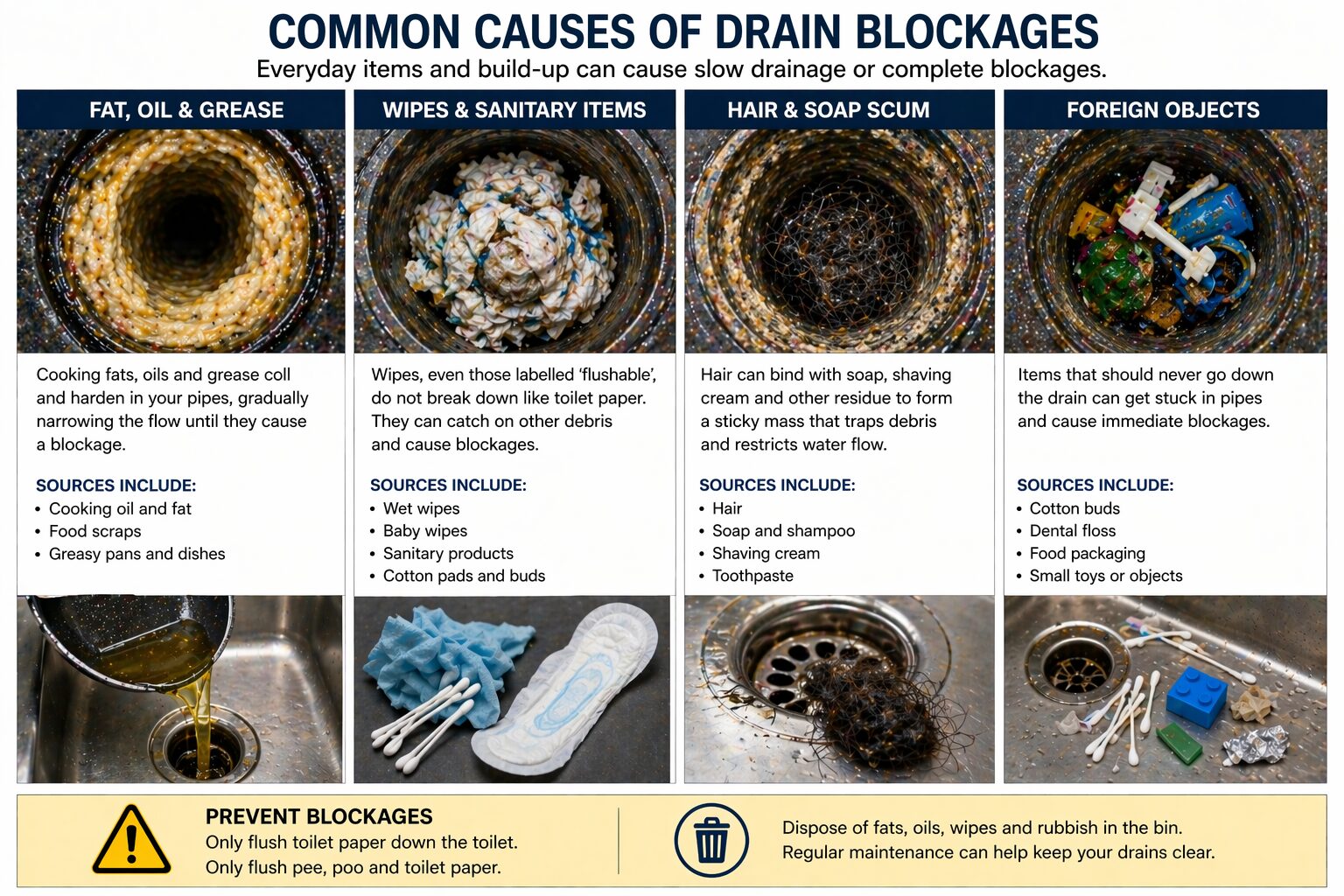
The most common causes of blockages are entirely preventable.
- Fats, oils and grease: These cool and solidify, forming blockages often referred to as “fatbergs”.
- Wet wipes: Despite marketing claims, there is effectively no such thing as a truly flushable wipe.
- Incorrect items: Sanitary products, paper towels and other materials should never be flushed.
More serious issues
- Tree roots entering pipework
- Collapsed or damaged drains
- Uric acid scale build-up reducing pipe diameter
Shared Drains
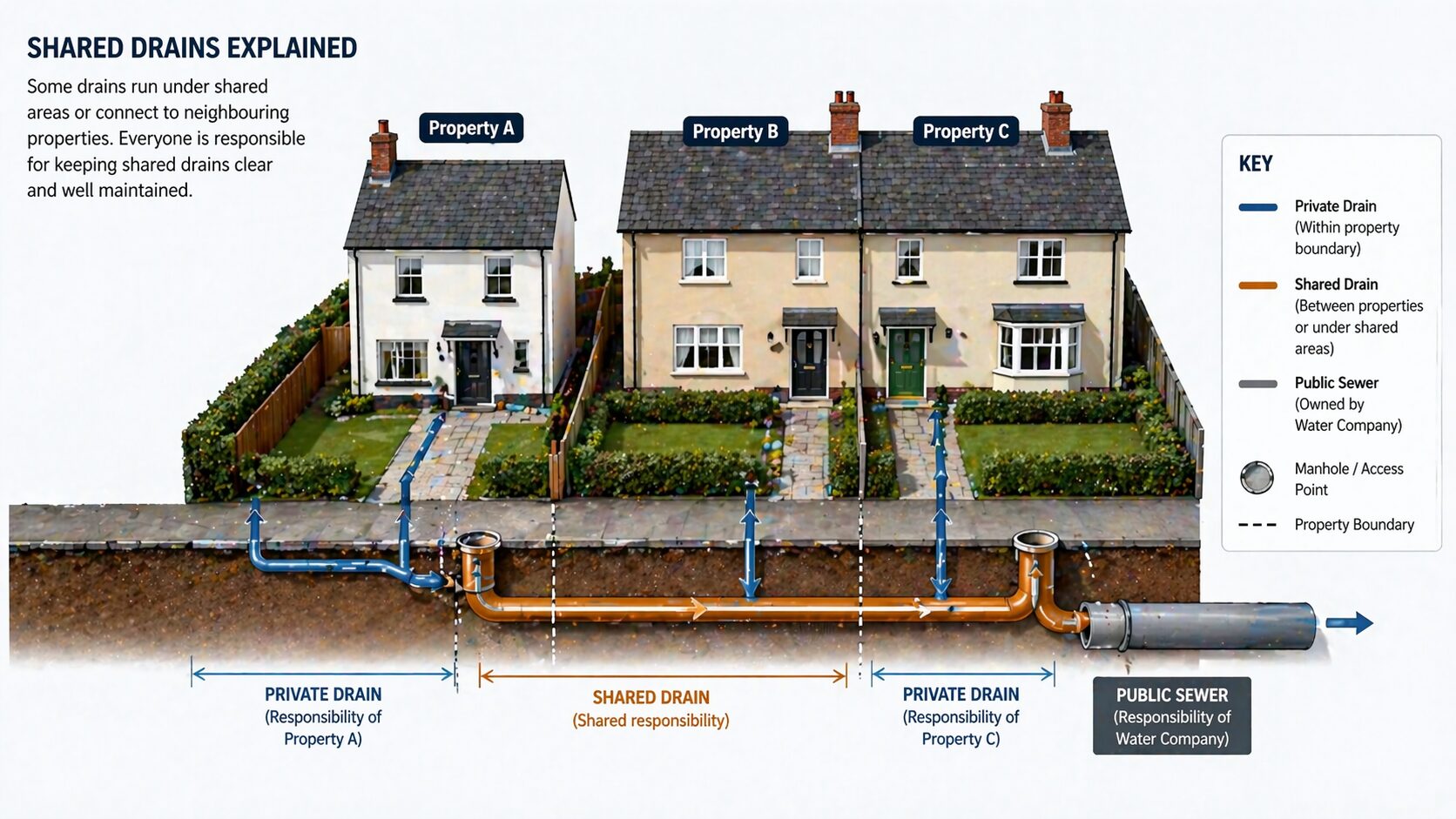
Many properties connect into shared drainage systems.
You are typically responsible for drainage within your boundary up to the point where it connects into a shared system. After that, responsibility usually transfers to the water company.
This can apply even if the shared pipe is still physically located within your property boundary.
Back to top ↑Drainage Prevention Advice
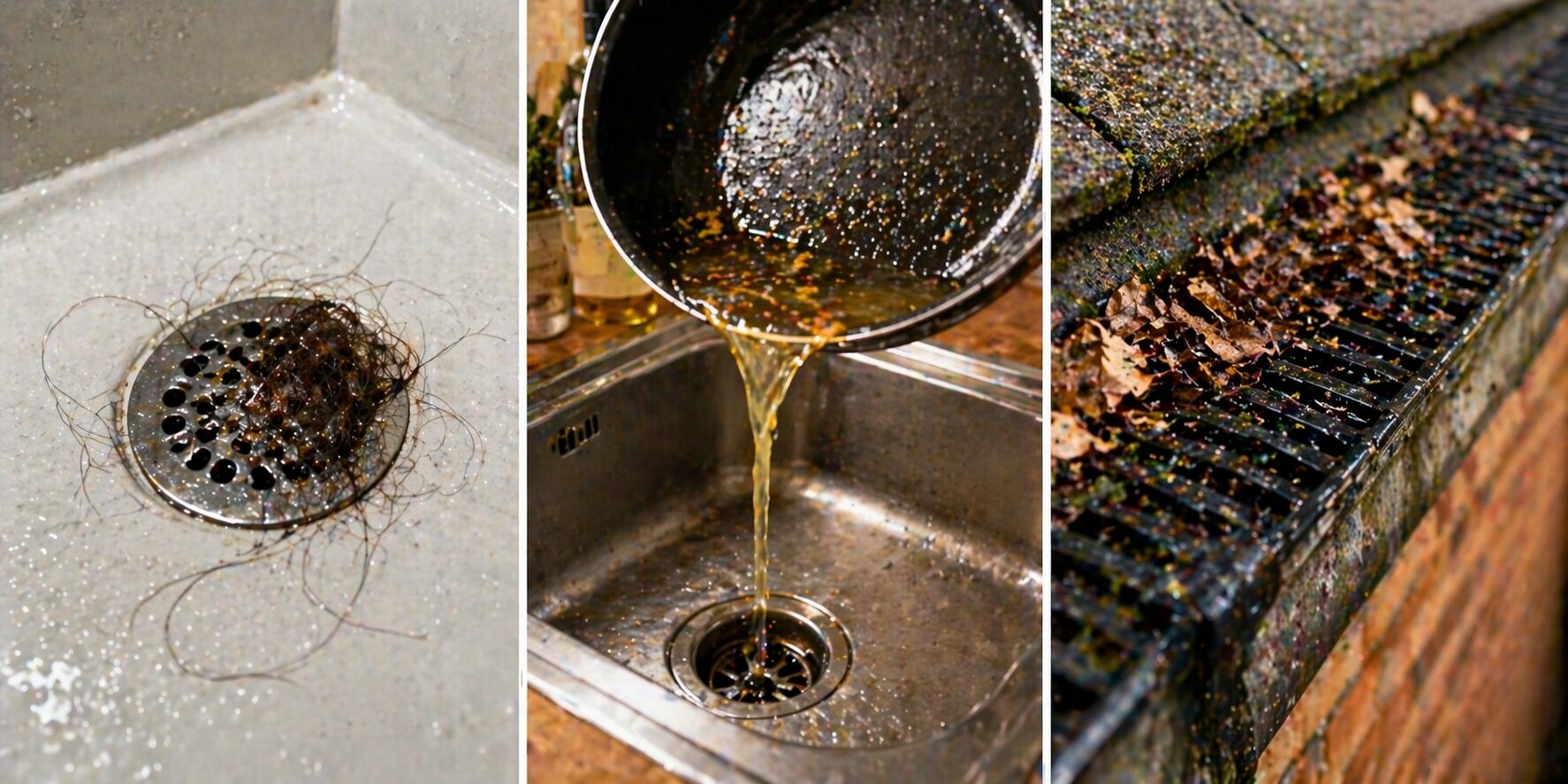
- Only flush waste and toilet paper
- Use hair traps in showers and baths
- Do not pour fats or oils down the sink
- Dispose of grease in bins once cooled
- Use leaf guards on external drains
Simple habits can significantly reduce the likelihood of blockages and costly repairs.
Back to top ↑Need help with a blocked drain?
Whether the issue is inside your home or within underground pipework, identifying the cause early can prevent more serious damage.
Contact Us